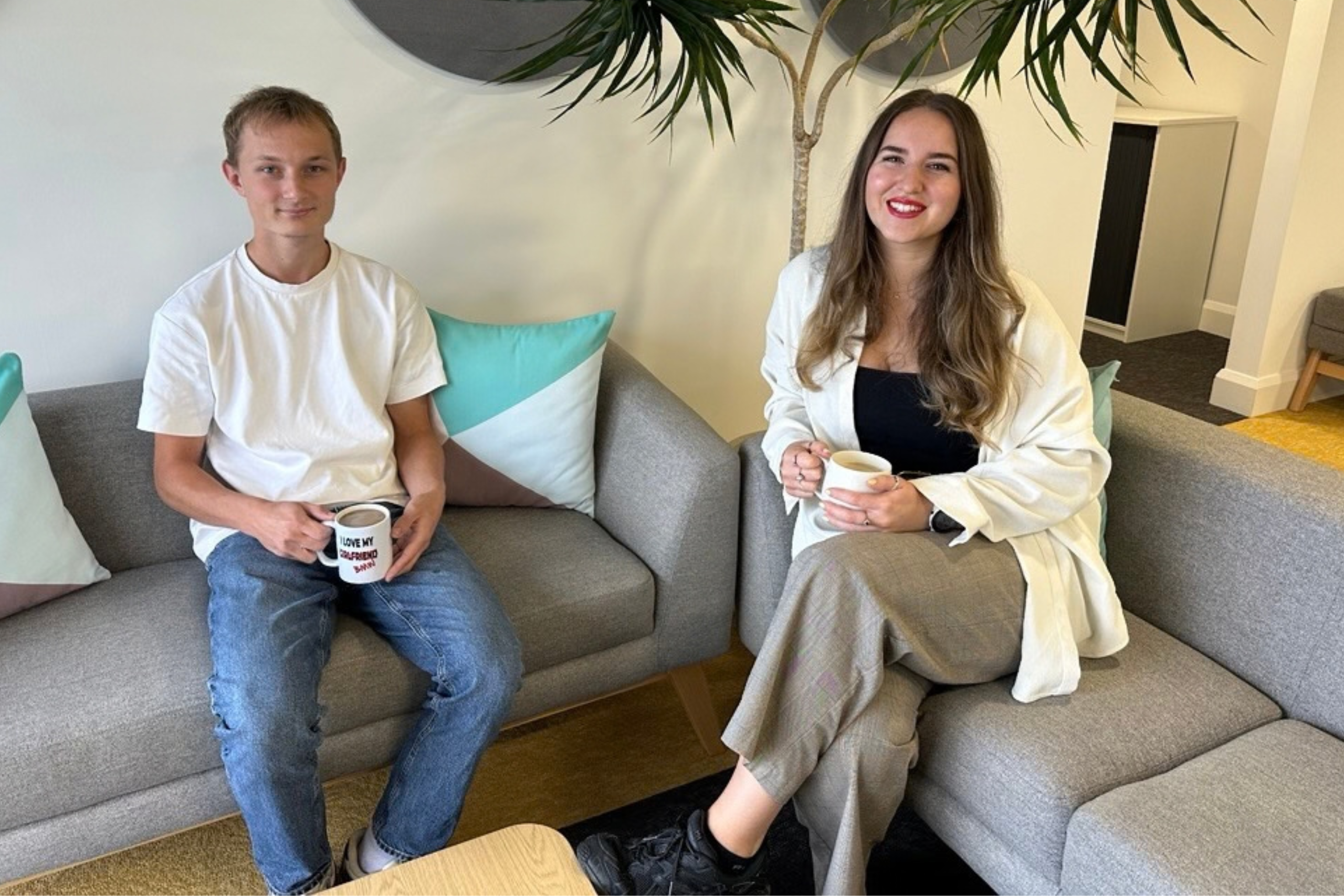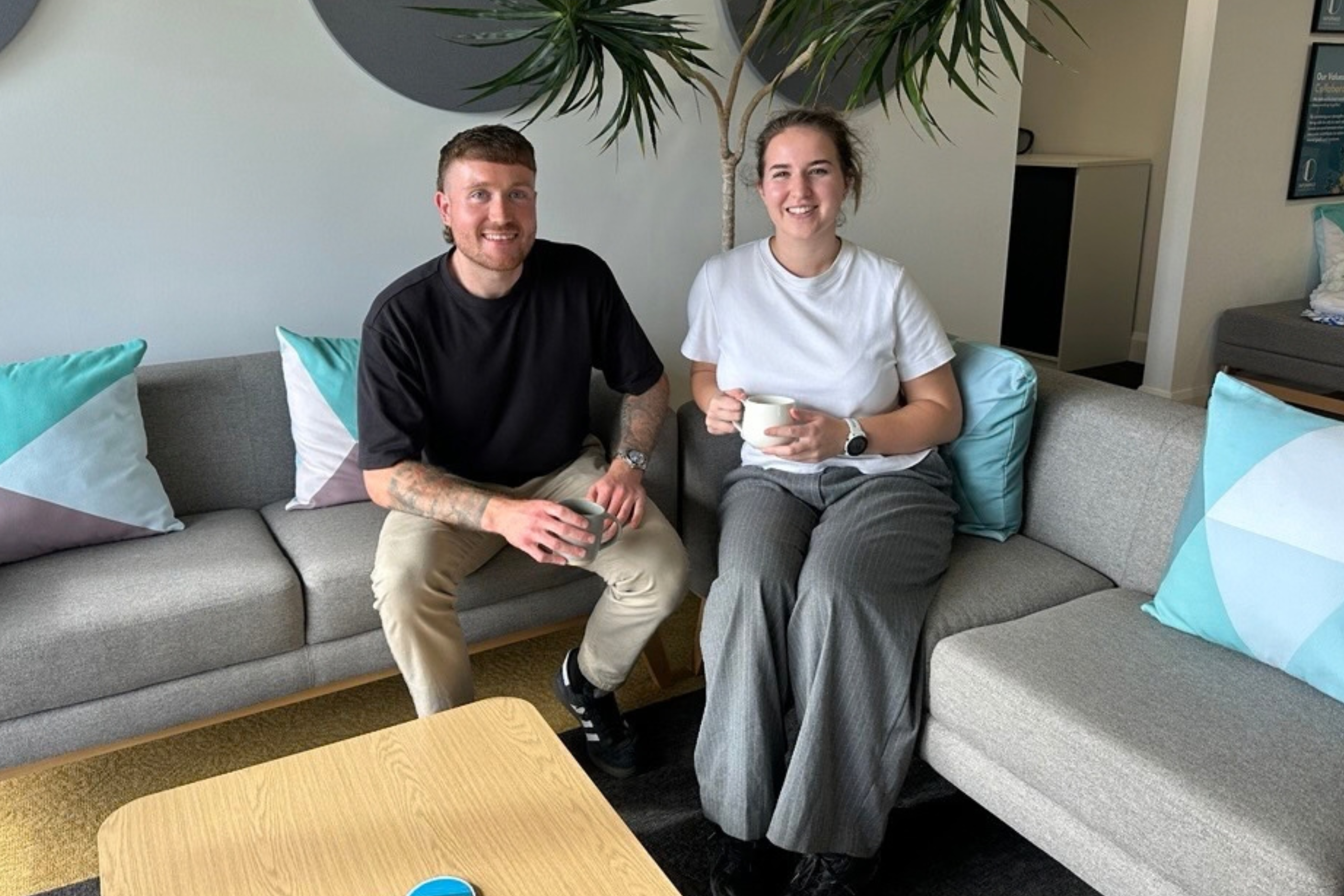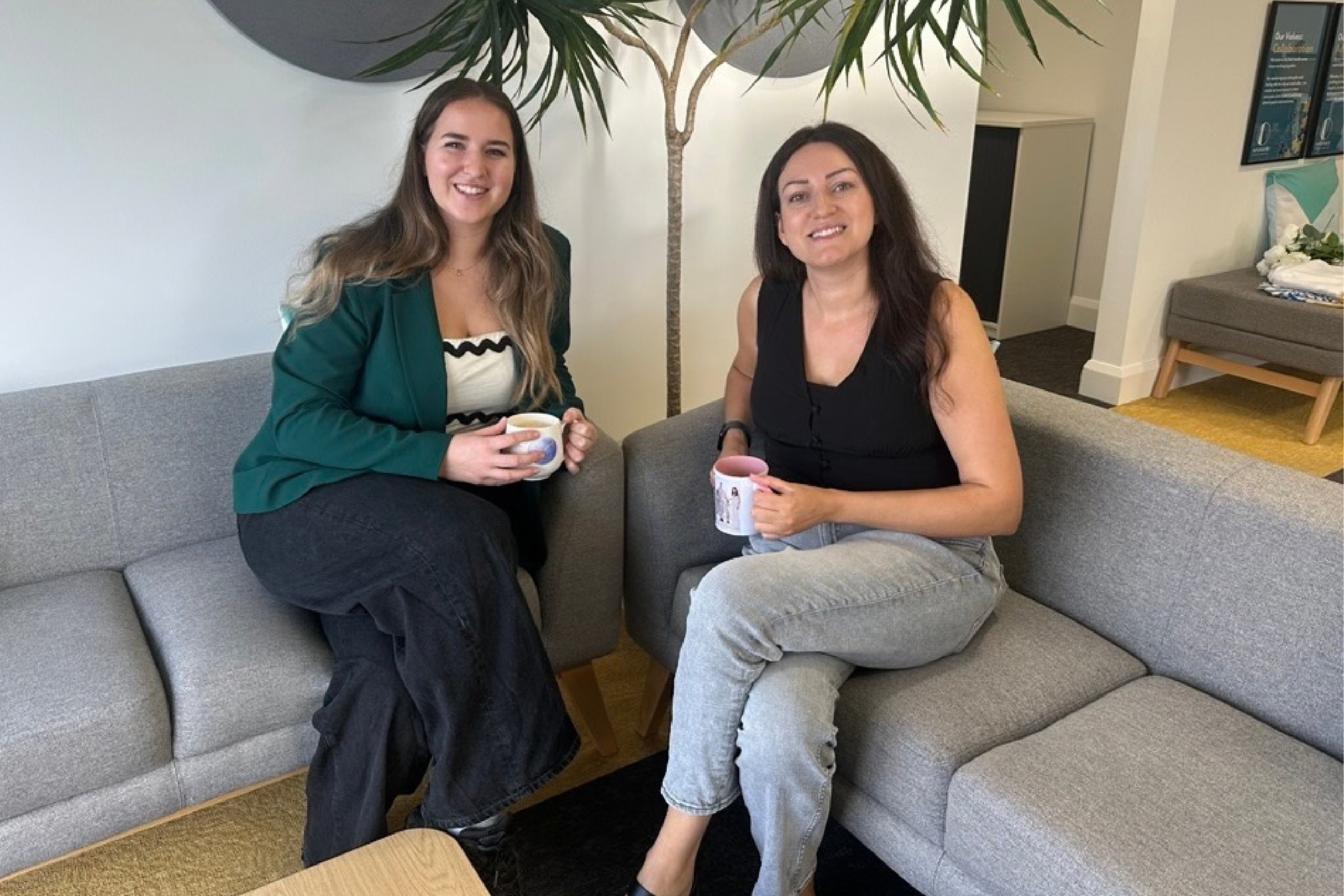
Welcome back to Inside IFP – the series where I sit down with members of our team over a coffee and chat about their career journey so far. This week, I caught up with Sarah, our Paraplanner Manager, who joined IFP almost two years ago as the Paraplanner Team Leader. After more than 10 years in financial services and a career that initially seemed to be heading towards advising, Sarah discovered that her strengths were better suited to working behind the scenes. Now, she manages our Paraplanning team and is helping shape how the department develops.
Sarah, you joined IFP almost two years ago as a Paraplanner Team Leader. What were you doing before IFP, and what made you decide it was time for a change?
I was an adviser before I came here! I’ve been in financial services for years and years, so I always thought being an adviser was the end goal. In reality, when I started as an adviser, I quickly realised it wasn’t for me. I had everything behind the scenes, the knowledge and understanding, I could convey what I meant well in a report, but actually sitting in front of a client wasn’t my bag at all.
I think it’s a very brave thing to admit that what you’d been working towards wasn’t actually what you wanted in the end!
It was really hard because before I started I thought “I’ve got the confidence in myself, I know what I’m doing, I can be put in any situation and think yeah I can answer that question confidently”, but as soon as I was in that situation I hated it.
About 4 months in, I had a conversation with Jess about advising here, but at that time, there wasn’t a position available and we agreed to keep in touch. I’d told Jess about my uncertainty with advising and wondering whether it would be different at a different firm.
A few months later, Josh got in touch regarding a paraplanning job that was coming up, and by that point I’d completely ruled out advising. I’d been trying to get a job here for so long, but there was never anything suitable that came up, so when Josh called, I jumped at the opportunity!
What was it about IFP that made you want to join? Why were we on your radar?
I’m from Hessle, so I’d always been aware of the company. I actually came for an interview in 2012 and didn’t get the job. I sat a psychometric test and failed on elements like not liking change. Looking back, I know that it’s constantly changing regulatory-wise and having to adapt to different client circumstances. So, I always joke to Joe about where I could be now if they hired me all those years ago!
It’s nice that you persevered despite not getting the job all those years ago.
I’d seen the consistency over the years of the same people on the website, and I knew that it’s an award-winning firm, so it was my aspiration to work here.
You came in with quite a lot of experience already, having been in the industry for so long. How did you find settling into IFP and learning how things are done at IFP?
Easy peasy! I’d already been doing the job for over 10 years when I came here, so I had plenty of transferrable skills. I think by week 2 I was writing reports because they were just like “off you go!”. They trusted me to prove that what I put on my CV was true. My situation is somewhat unique, because I’ve previously been advising, I can better understand some of the problems that the advisers face.
I suppose you’re at an advantage with that, in that you can see both sides.
Yeah, definitely. It’s the same with compliance, too. Because I’ve had to be so compliant and thorough in everything I’m doing, I find it easy to deal with the compliance side of things in comparison to some people that haven’t had the experience I’ve had.
Looking back now, was IFP what you expected it to be when you joined? I imagine you had a fair few expectations having wanted to work here for so long!
It’s even better than I expected. I knew from the website that IFP looked like it was doing brilliantly and were winning awards, but it’s not until you actually come here that you realise how worthy IFP actually are of those awards. Even from the personal side, I used to see team building days on Facebook and think “that looks fun”, and actually when you get here, you see that it’s not all fake. Everyone is one big team!
Are there any changes you’ve implemented since becoming manager that you’re particularly proud of?
We’re just about to implement the new report templates. They’re designed to be more client-friendly, more in line with IFP’s tone and more goals-based. We’ve shortened the reports a lot and drilled down on the stuff that clients do want to see, with optional reading documents for those who are interested in more details. So I’m really proud of that because it’s been probably 2 years in the making. It’s taken longer than I wanted it to, but we’ve really tried to make sure it’s right.
The other thing I’m really proud of is our training plans, for both new recruits and existing team members. They’re a lot more streamlined and focussed on what matters to that paraplanner. I’m adapting the training plan depending on the individual’s experience so we can get the best out of them as soon as possible. It also makes the role more meaningful for the individual.
What do you enjoy most about managing the Paraplanning team?
I think it’s the fact that I’m managing to continue doing the day-to-day of paraplanning, alongside managing the team. It means I never lose touch with the reality of the role, so when someone in the team is up against it, I genuinely get it because I’m right there in it with them.
What have you found most challenging about stepping into management?
Being mindful of other teams and the company as a whole when suggesting changes for the paraplanning team. Having a wider awareness when implementing changes and putting processes in place is important.
For anyone who might not fully understand what a Paraplanner does, what does a typical day or week look like for you and the team?
Paraplanning is the technical and research function that sits behind financial advice. A paraplanner supports the adviser by handling the analytical and documentation work that underpins client recommendations. In practice, this typically covers research and analysis, report writing, cashflow modelling, compliance support and technical calculations.
What do you think makes a really good Paraplanner?
A very analytical mind. I’d say all of my team are very thorough. Also having the ability to adapt to different circumstances; what might work for one client, won’t work for another. There’s no one size fits all, so you need to be fluid in your knowledge and understanding.
What do you think people might be surprised to learn about working as a Paraplanner at IFP?
The collaboration between teams! It’s constant. Even from the get-go, when an adviser has seen a client, one of our first jobs is to read through the Factfind to make sure we have all the information we need. Then when it comes to writing the report, we’re all happy to have open discussions with the Advisers, and equally, the Advisers will always happily say “I’ll pop down in two minutes” and they’ll just come and have a chat.
The CS team take on submissions to help us out. Lauren has previously run training sessions for the CS team, and they’ve said countless times how much they appreciate the sessions. So that’s something I want to continue for new recruits.
I just think, regardless of what department you’re in, we don’t see each other as that. You just see it as we’re all one big team just trying to get the best job done for our clients. I like that.
What would you say to someone who is considering applying for a role here, but isn’t sure whether IFP is the right fit for them?
Have a look at the website and our staff testimonials. It’s been commented on before that we do what we say on the website, and we do it well. We really are one big team. So, if you feel like you align with what you see, you’ll get on well.
What advice would you give to someone who wants to build a long-term career in financial planning, starting out in Paraplanning?
Take the plunge. The exams are one thing, but being involved in the day-to-day role helps build up your knowledge. You can fly through your exams, but you gain a lot of experience and knowledge just by doing. You learn the process in the exams, but you learn to adapt to all different circumstances when you get stuck into paraplanning. If you have that experience, it makes doing your exams so much easier.
What is it about the people at IFP that makes you want to stay?
Everyone is so personable and genuinely wants to help. It’s so nice to be at a company where my preference is to come into the office, rather than work from home. And that is purely because of the people here. So even though we get 2 days a week to work from home, there’ll be weeks at a time where I’ll just come into the office every day.
I think sometimes Directors can be so cut off from what’s actually going on, whereas here, you can just have a normal conversation with any of them. I joke sometimes that I forget the Director’s positions because I just chat to them as I do my friends!
I couldn’t agree more. If you could go back to your first day at IFP and give yourself one piece of advice, what would you say?
To have more confidence in myself! I think because I wanted this job so much, I forgot my own strength a little bit, but I do know what I’m doing. I can have a voice and speak up and my experience is valuable. And I know now that I don’t need that apprehension before saying or asking something because nobody thinks I’m silly or takes it the wrong way.
Thank you Sarah, you’re doing some really wonderful work and it was great to hear your story. But before I can let you go, I’ve got to ask you my quick-fire questions…
Describe IFP in 3 words or less – Supportive, fun, holistic
Tea or coffee? Tea.
Office or remote? Office.
Early start or late finish? Early start.
Quick lunch or long lunch? Quick.
Smarter or more casual style? Casual.
If, like Sarah, you’d been aspiring to join IFP, head to our Careers Page to see our current vacancies. See you in a couple of weeks for another edition of Inside IFP!